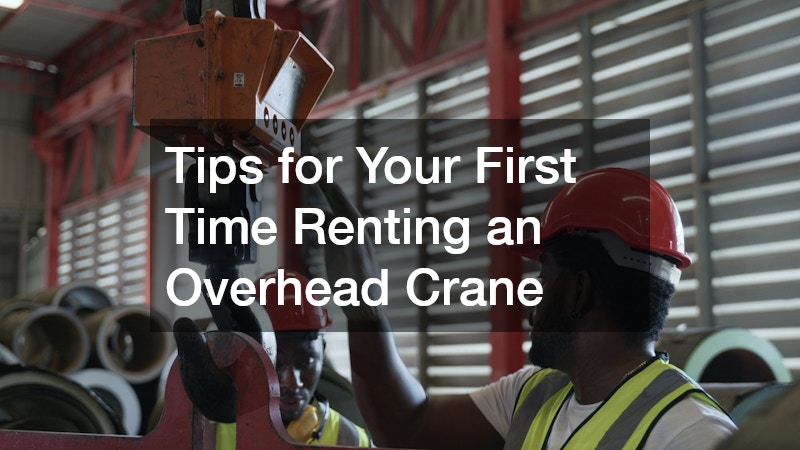
Understanding the Basics of an Overhead Crane
Overhead cranes are prevalent in many industrial environments, designed to move extremely heavy loads from one place to another with ease. They consist of a few main components: the bridge, hoist, trolley, and runway, which collaborate to perform heavy lifting tasks efficiently.
Before even considering renting an overhead crane, it’s vital to have a fundamental understanding of how these cranes operate and the different types available, such as gantry cranes, bridge cranes, and jib cranes.
The type of overhead crane you need will largely depend on the weight of the materials you intend to lift, the frequency of usage, and the environment within which it will operate. For instance, gantry cranes are some of the most flexible options since they can be portable or fixed. Bridge cranes, on the other hand, are often used in permanent indoor installations and are great for repetitive lifting tasks where consistency is crucial. Understanding these distinctions can help you make an informed decision when discussing options with rental companies.
Moreover, safety should always be a top priority when renting any heavy machinery, and overhead cranes are no exception. Ensuring that all operators and staff are adequately trained and familiar with the equipment is critical to avoiding accidents and ensuring smooth operations. Furthermore, familiarize yourself with the maintenance records and safety certifications of the cranes you consider renting; this information can guarantee that you are utilizing reliable and efficient machinery.
Finding the Right Rental Company
Selecting the appropriate rental company for overhead cranes entails more than merely picking the one with the lowest rates. You need to evaluate their reputation in the industry, the range of cranes they offer, and the quality of their customer support. A reputable rental company should provide well-maintained equipment, transparent rental agreements, and comprehensive support services, including on-site setup and technical assistance.
Seek out companies with a vast inventory of cranes, as this usually indicates their ability to meet diverse customer needs and ensure availability when you require it. Consider their rental terms as well; flexibility in duration, ease of extending rental periods, and liability responsibilities should be clear and favorable. A good rental company will also offer insurance policies as part of their service, helping mitigate potential risks and offering peace of mind during your rental period.
It’s also essential to ensure that the rental company you opt for shares your commitment to safety and efficiency. Enquire about their training programs for operators and any additional support services they offer, such as regular inspections and maintenance during the rental period. Communication is key, and a company that promptly addresses your queries and offers solutions tailored to your specific project needs can be a valuable partner in achieving your goals.
Preparing for Operation and Maintenance

Once you have secured a suitable overhead crane rental, preparation for its operation is the next step. Proper planning prior to the crane’s arrival will minimize downtime and ensure that your project progresses smoothly. Ensure that your site is ready to accommodate the crane, with adequate space for its installation and operation, and unhindered access paths for transporting materials.
Routine maintenance checks should be performed daily to ensure that the crane functions optimally during your project. Consistently checking the hoist, cables, and any moving parts for wear and tear is vital for preventing unforeseen breakdowns and ensuring ongoing operations. A proficient maintenance routine will not only extend the crane’s lifespan but also enhance its safety profile and reliability.
Equally important is the need for effective operator communication and coordination with your team. Establishing clear signals and communication protocols can significantly improve safety and operational efficiency. Proper training sessions arranged by your rental company for your team before the crane’s operation, particularly in how to mitigate risks and respond to emergencies, are indispensable components ensuring both safety and success in your project.
Renting an overhead crane for the first time involves several thoughtful considerations, from understanding the functions and types of cranes to selecting a reliable rental company and ensuring smooth operation and maintenance. With careful planning and a focus on safety, you’ll ensure that this powerful tool enhances the productivity and success of your endeavor. Remember that the right overhead crane can be a game-changer for your business, empowering you to complete projects efficiently and safely.